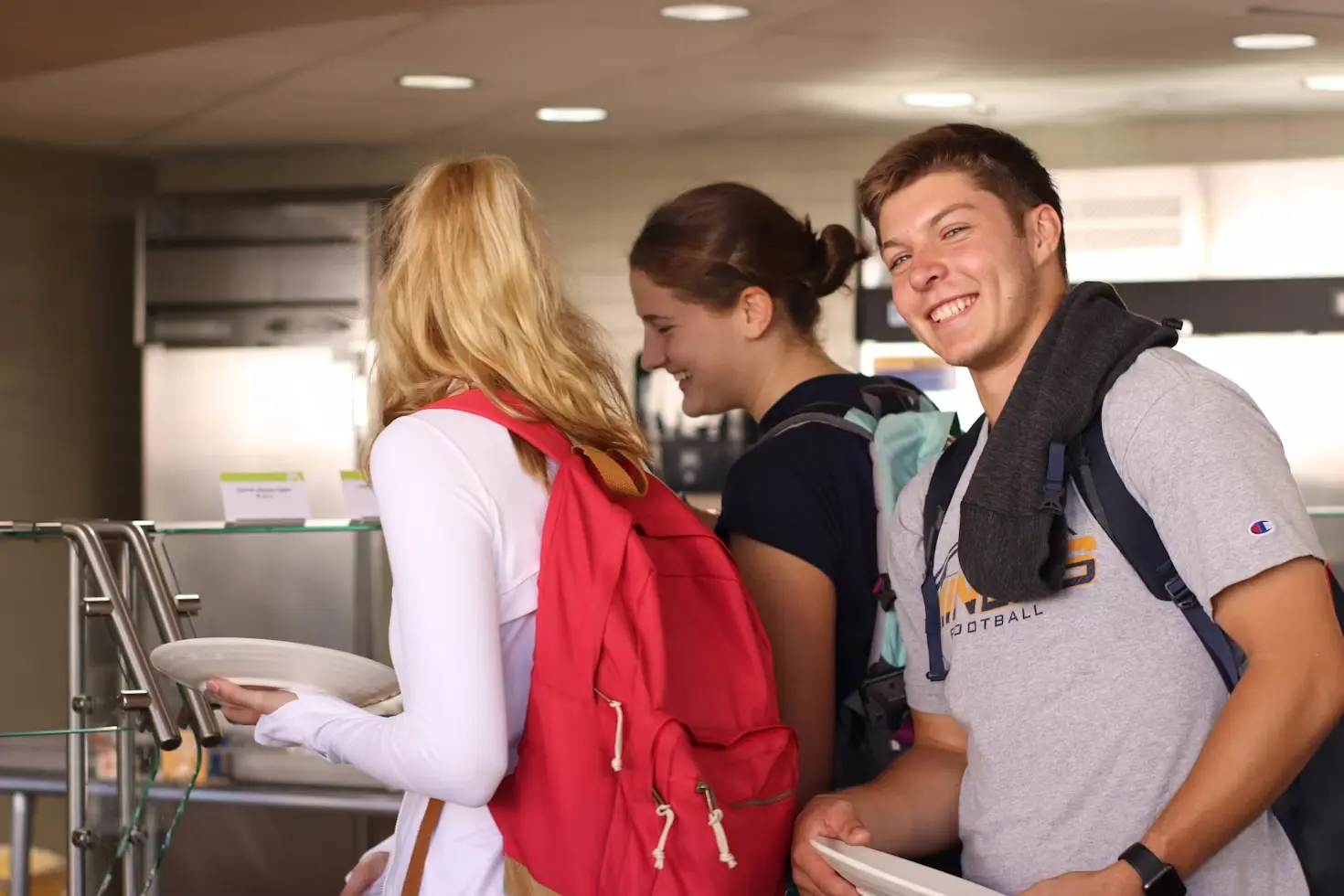
If you’re thinking about welcoming an exchange student into your home, you’ll first need to choose a program to host through. The best exchange student programs offer a good fit for your family, a carefully screened student, and reliable local support throughout the experience. When comparing programs, start by considering whether a semester or a full academic year works best for your family. Then look at each sponsor’s credentials, student matching process, and ongoing support.
Ayusa has connected international high school students with U.S. host families since 1981. As a nonprofit and a designated J-1 exchange visitor sponsor authorized by the U.S. Department of State, we help students and host families make the most of their exchange experience. Hosting an international student gives your family an opportunity to share American life and culture while learning about another part of the world.
What to Know About Ayusa’s Credentials and Support
Before choosing an exchange student program, it’s worth knowing who oversees the placement and what support you can expect as a host family. Here’s a closer look at Ayusa’s credentials, experience, and support network:
- U.S. Department of State designation: Ayusa is a designated J-1 exchange visitor sponsor. This authorization allows it to sponsor eligible exchange visitors and issue the Form DS-2019 required for the J-1 visa application process.
- CSIET certification: Ayusa holds Full Certification for 2026–2027 on the CSIET Advisory List. CSIET evaluates exchange programs against established standards, although certification alone cannot guarantee the quality of an individual placement.
- More than four decades of experience: Founded in San Francisco in 1981, Ayusa is a nonprofit subsidiary of Intrax.
- Established exchange program: CSIET’s Ayusa listing reports 742 inbound semester and academic-year participants for 2025–2026.
- Local support network: Ayusa has a network of 200 Community Representatives supported by regional staff. These representatives help students, host families, and schools navigate the exchange experience.
You can also explore what hosting an exchange student involves to learn more about the day-to-day commitment, from sharing meals to helping a student settle into your household routines.
High School Exchange Program Options by Length and Age
Exchange programs differ in length, eligibility requirements, and how they're funded. If you're a U.S. family considering hosting an international student, the main options to compare are an academic year or semester exchange.
Academic Year Exchange (About 10 Months)
An academic year exchange typically lasts around 10 months, with students arriving in late summer and returning home the following spring or early summer. With Ayusa, your family welcomes an international student who lives in your home and attends a local high school.
- Length: Approximately 10 months, generally following the U.S. school calendar from August or September through May or June.
- Student age: Participants are generally between 15 and 18 years old at the start of the program.
- Start dates: Most placements begin in August or early September, depending on the local school calendar.
- Eligibility: Federal J-1 requirements cover age, academic history, and previous participation in U.S. exchange programs. Sponsors also have their own application and screening requirements, including English proficiency.
A full academic year gives your family and the student more time to establish routines, build relationships, and participate in everyday life together.
Academic Semester Exchange (About 5 Months)
A semester exchange offers a shorter alternative, allowing your family to host an international student for one school term. Fall placements generally begin in August or September, while spring placements typically begin in January.
- Length: Approximately five months, covering one U.S. academic semester.
- Student eligibility: The same federal J-1 eligibility rules and sponsor screening requirements apply.
- Start dates: Fall and spring arrival dates depend on the host school's calendar and whether it accepts students for the relevant term.
- Availability: Spring placements require an appropriate school placement and an approved host family. Ask your Ayusa Community Representative whether January arrivals are available in your area.
A semester may be a better fit if your family can't commit to hosting for a full academic year. Although the stay is shorter, it still gives you the opportunity to share your family's daily routines and introduce a student to your community.
Ayusa offers both academic year and semester-long programs. However, the availability of a particular stay depends on the student, school, and host family arrangements. Discuss your preferred dates with your Community Representative before making plans.
Outbound Study Abroad for American Students
Ayusa also offers study abroad programs for American high school students who want to attend school in Germany or Japan. Both destinations offer opportunities to experience local culture and attend a high school, with accommodation options and program lengths that vary by country.
- Program length: Germany’s academic program offers flexible stays ranging from a few weeks to a full school year. The program in Japan offers academic-year, semester, trimester, and summer options, as well as shorter study abroad opportunities.
- Age requirements: Both destination pages list students ages 15–18 as eligible to participate.
- Accommodation: Students in Germany live with a German host family. In Japan, students can stay with a host family or in a school dormitory, depending on program availability.
- Language: A basic knowledge of either German or Japanese is helpful for the relevant program.
- School experience: Students attend a local secondary school in Germany or a local high school in Japan, experiencing everyday student life in their destination country.
Explore Ayusa’s Germany academic program and Japan academic program for destination-specific details and current program options.
Which Exchange Student Program Fits Your Situation?
The right exchange program depends on your circumstances, priorities, and what you hope to gain from the experience. If you're a U.S. family considering hosting, think about the time and support you can offer. If you're a student planning to study abroad, consider your academic requirements, personal goals, and preferred length of stay.
For U.S. Families
Before committing to an exchange program, consider how hosting would fit into your household's everyday life.
- Review your family calendar: Work travel, caregiving responsibilities, holidays, and other commitments can affect your availability. Ask about the expected arrival and departure dates before choosing a program.
- Think about your daily routines: You don't need to have a teenager of your own to host an exchange student, but think about how a student would fit into your household, from shared meals to evenings and weekend activities.
- Check your available space: Exchange students need a suitable place to sleep and study (though they can often share a room), along with space for their belongings. Your Community Representative can help make sure your space meets the requirements.
- Plan for transportation: Think about how the student will get to school and activities. Depending on your location, options might include school buses, public transportation, walking, or rides from family members and other approved drivers.
For Exchange Students
If you're planning to study abroad, consider how each program option fits your academic plans and personal goals.
- Check with your school at home: Ask how studying abroad could affect your graduation timeline and whether your school will recognize credits earned overseas. Requirements vary, so confirm them before committing to a semester or full year.
- Review the language requirements: Make sure you understand the language skills expected for your destination and program. You'll want to be prepared to participate in classes, communicate with your host family, and navigate daily life.
- Think about your academic and extracurricular goals: If you hope to join a sports team, participate in a club, or take a particular class, ask whether those opportunities are available to exchange students. Participation may depend on school policies, eligibility rules, and timing.
- Research scholarship opportunities: If you need financial assistance, check current scholarship announcements and confirm the eligibility criteria, application deadlines, and program dates for your country.
- Consider when you'd like to arrive: A fall start may give you more time to settle in alongside other students at the beginning of the school year. A spring start offers a different experience, with school routines and friendships already established. Think about which environment might suit you best.
Once you've decided which program length suits your plans, read Ayusa's guide to the exchange student visa to learn about the J-1 visa process and the Form DS-2019. Your program sponsor can explain the requirements and steps that apply to your exchange.
How to Compare the Best Foreign Exchange Student Programs
When comparing exchange student programs, evaluate each organization’s credentials, screening process, local support, and costs.
- Check the sponsor's federal designation: Confirm that the organization is authorized by the U.S. Department of State to sponsor students in the Secondary School Student category. The U.S. Department of State's program page provides information about the program and links to sponsor resources. Designated sponsors issue Form DS-2019, which eligible students need to apply for a J-1 visa.
- Review the program's CSIET certification: Check the current CSIET Advisory List for the relevant program year and category. Look at the certification status and what it indicates about the organization's compliance with program standards. Certification is useful context, but it doesn't guarantee that every placement will be a good fit.
- Find out what local support looks like: Ask who your Community Representative is, how often you'll hear from them, and how to reach someone if a problem arises. Ayusa's Community Representatives help students, host families, and schools throughout the exchange. Federal regulations also establish requirements for sponsor contact and monitoring, including monthly contact with students and host families.
- Understand the host family screening process: Ask what checks and interviews are required before a family can host. Federal rules include an in-person interview at the prospective host family's residence, references, and background checks for household members age 18 or older. Sponsors must also assess whether the home and proposed sleeping arrangements meet program requirements.
- Ask how placement problems are resolved: Find out who you should contact if a student is struggling to adjust or a concern arises at home or school. Ask how the sponsor handles urgent situations, helps resolve disagreements, and arranges a new placement when necessary.
- Get a clear breakdown of costs: Students should ask about program fees, insurance, airfare, personal spending money, and refund policies. Host families generally provide room and meals as part of a volunteer hosting arrangement, so consider how groceries, utilities, transportation, and other household expenses may affect your budget.
- Learn how student matching works: Ask how the organization considers interests, dietary needs, allergies, household routines, and school availability when matching students with families. Find out what information you'll receive before accepting a placement and whom to contact if you have concerns about a proposed match.
Comparing programs this way can help you understand not just what each organization promises, but how it plans to support students and host families throughout the exchange. For broader information about international education and exchange programs, visit NAFSA: Association of International Educators.
How the Ayusa Hosting Process Works
From your first inquiry to your student's arrival, hosting involves several steps to help ensure the placement is suitable for your family and the student:
- Express your interest: Submit an inquiry or begin a hosting application through Ayusa.
- Speak with a Community Representative: Discuss your questions, learn more about hosting, and understand what's involved before committing.
- Complete the screening process: Ayusa reviews your application and completes the required checks, which include a home visit, references, and background checks.
- Find a suitable match: Review student profiles and discuss potential matches with your Community Representative. Interests, allergies, household routines, and other relevant needs can help determine whether a placement is a good fit.
- Confirm the school placement and visa arrangements: The sponsor must obtain the required written acceptance from the host school before the student enters the United States. Ayusa issues Form DS-2019 for eligible participants, who then complete the J-1 visa application process and make travel arrangements.
- Prepare for arrival: You and your student receive orientation to help you understand expectations and prepare for the exchange. Your student arrives according to the confirmed placement and travel arrangements.
- Stay connected throughout the exchange: Your Community Representative remains a local point of contact and conducts ongoing check-ins, including the contact required under federal program rules.
Find the Program That Fits Your Family
The best exchange student programs are the ones where the length, the timing, and the support all suit your household. You don't have to have every detail figured out before getting started; an Ayusa Community Representative can help you understand your options and decide whether a semester or full academic year might be the best fit.
Ayusa has connected international students with American host families since 1981. To take the next step and experience the joy of welcoming an international student into your life, start your hosting application.
Frequently Asked Questions
What Is the Difference Between a J-1 and an F-1 High School Exchange Program?
The J-1 visa is used for designated secondary-school exchange programs focused on cultural exchange, typically lasting a semester or academic year. Students participate through an approved sponsor and may live with volunteer host families or attend eligible boarding or private schools. The F-1 visa is for students enrolled in an authorized academic program. F-1 students attending U.S. public high schools are limited to 12 months and must pay the full, unsubsidized per-capita cost of education. These restrictions do not apply in the same way to private schools.
Can an Exchange Student Choose Which U.S. State or High School They Attend?
Not necessarily. Placement depends on host family availability, school acceptance, and the sponsor's program. Ask whether location preferences can be accommodated, whether additional fees apply, and what happens if a preferred placement isn't available. Unless the sponsor confirms a specific location or school in writing, don't assume it can be guaranteed.
How Many Exchange Students Can One Host Family Take at a Time?
Federal rules allow no more than two J-1 secondary-school students in one host home. They must have different home countries and native languages. The sponsor must also obtain the required written approvals, including from both students, their natural parents, and the host family.
Is There an Age Requirement for Host Parents?
Yes. Ayusa host parents must be at least 25. Married couples, single adults, families with children, empty nesters, and other household types are all welcome to apply, provided they meet the program's eligibility and screening requirements.
How Far in Advance Should a Host Family Apply?
Contact Ayusa several months before the arrival window you have in mind. Screening, matching, and school acceptance take time, and student availability varies. Ask your Community Representative for current deadlines and a realistic timeline for your area.
What Happens If a Host Family and Student Are Not a Good Match?
Contact your Community Representative early so you can discuss expectations and work on the problem together. In the unlikely event that a placement cannot continue, Ayusa can help arrange another suitable home for the student. Ask your representative how the process works and whom to contact if an urgent issue arises.